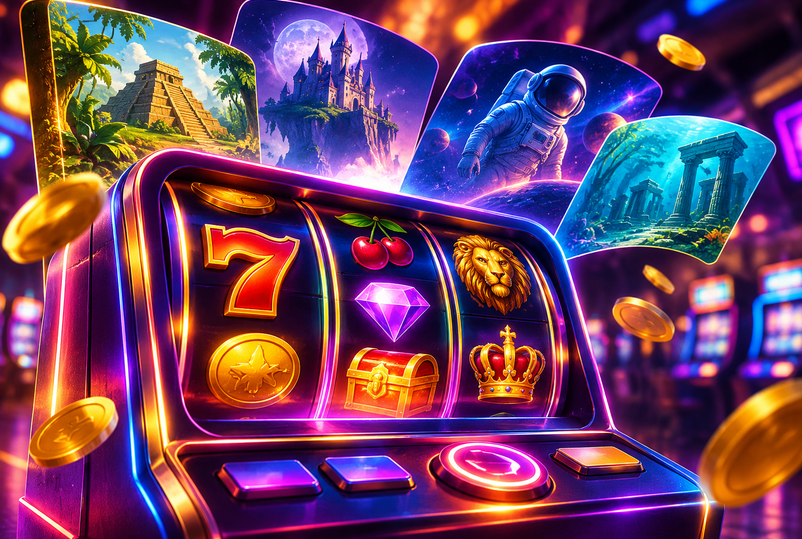
Ever wondered why two slot games with the exact same spinning reels can feel completely different when you play them?
One might feel slow and moody, while another feels like a fast-paced arcade rush, even though both are technically just reels spinning on a screen. The answer lies in how game developers design every small detail around that basic spin.
Understanding this helps you choose games you’ll actually enjoy, set realistic expectations, and avoid a few common misunderstandings about how slots really work.
Why Reel Spins Are Only the Starting Point
At their core, all pg123 login slot games share the same skeleton: symbols, reels, and a random outcome decided the moment you press spin. What makes each game distinct is the layer of design wrapped around that skeleton. Developers use sound, pacing, visuals, math, and bonus features to shape how the game feels while the underlying mechanics stay familiar.
This matters to you as a player because the difference between games isn’t just cosmetic. Design choices affect how fast you spend, how long sessions feel, and how exciting wins appear to be, even when the actual payouts don’t change. Knowing what’s happening behind the curtain helps you enjoy the craft without being carried away by it.
The Building Blocks Developers Work With
Most distinct slot experiences come from combining a handful of design tools. Here are the main ones:
- Theme and visual style, from mythology and adventure to music, films, and fantasy worlds
- Sound design, including spins, near-miss effects, win jingles, and background music
- Game math, which covers volatility, hit frequency, and how often features trigger
- Bonus mechanics, like free spins, multipliers, expanding symbols, and interactive rounds
- Pacing, meaning how quickly reels resolve and how much animation plays between spins
Sound and Visuals: The Layer You Feel First
Sound is one of the most underrated parts of slot design. A rising musical tone during a spin, a dramatic pause before a bonus round, or a celebratory jingle after a small win all shape how a moment feels. Developers invest heavily in this because the sensory experience is what separates one game from another.
Here’s something useful to know: celebratory sounds and animations often play even for wins that are smaller than your bet. That’s intentional. It makes near-break-even spins feel rewarding.
This doesn’t make the game dishonest, but it does mean your ears aren’t a reliable guide to how well a session is actually going. Your balance is. Checking it regularly is one of the simplest habits any player can build.
Visual Design and Why Themes Matter More Than You Think
Themes aren’t just decoration. A well-built theme gives a game identity, makes symbols easier to read, and turns a basic spin into something that feels like an event. Someone who loves adventure stories might enjoy a treasure-hunting slot, while a fan of classic casino culture might prefer a retro fruit design.
A practical tip: pick games based on themes you genuinely enjoy, because that keeps sessions entertaining regardless of results. Don’t assume a game with better graphics pays better, because it doesn’t. Visual polish and payout behavior are separate things.
Game Math: The Invisible Part of Every Distinct Experience
This is where developers do their most important work, and where players benefit from understanding a few basics. Even when two games look and sound totally different, their math models decide how the experience actually unfolds over time.
Volatility and Pacing in Simple Words
Volatility, sometimes called variance, describes how a game tends to distribute its wins:
- Low volatility games pay out smaller amounts more often, creating a steadier, more relaxed feel
- High volatility games pay out less frequently but with bigger potential moments, creating longer stretches of nothing punctuated by sudden excitement
- Medium volatility sits somewhere in between and suits many casual players
Why does this matter? Because volatility shapes your expectations. A high volatility game can eat through a small budget while you wait for a feature to trigger, and that’s normal behavior for that game, not a sign something is wrong. Choosing volatility that matches your budget and patience is one of the smartest decisions a beginner can make.
Features That Change How a Spin Feels
Developers also reshape the spin itself with mechanics like:
- Cascading or tumbling reels, where winning symbols disappear, and new ones fall into place.
- Expanding and sticky wilds, which stay in position for multiple spins.
- Multipliers, which increase payouts under certain conditions.
- Bonus rounds with progression, where features build on each other as you play.
What Beginners Should Check Before Choosing a Game
With all these design tools in play, a short checklist keeps you in control:
- Read the paytable and rules screen to see how features trigger and what the symbols pay.
- Check the volatility and RTP where available, keeping in mind RTP is a long-term theoretical figure, not a promise for your session.
- Try demo mode first if the platform offers it, so you can feel the pacing without spending.
- Match the game to your budget, especially with high volatility titles.
- Watch how the game handles small wins, so you’re not fooled by celebratory effects.
Common Mistakes and the Takeaway
A few mistakes are worth flagging. Don’t assume more features mean better odds. Don’t chase losses because a game “feels close” to a big win, since every spin is independent and past results have zero influence on future ones. And don’t let an engaging game pull you past your budget, because well-designed entertainment is exactly the kind that can do that if you’re not paying attention.
Online gaming should always be treated as entertainment, not a way to earn money. Set a limit before you play, take breaks, and stop when it stops being fun.


